
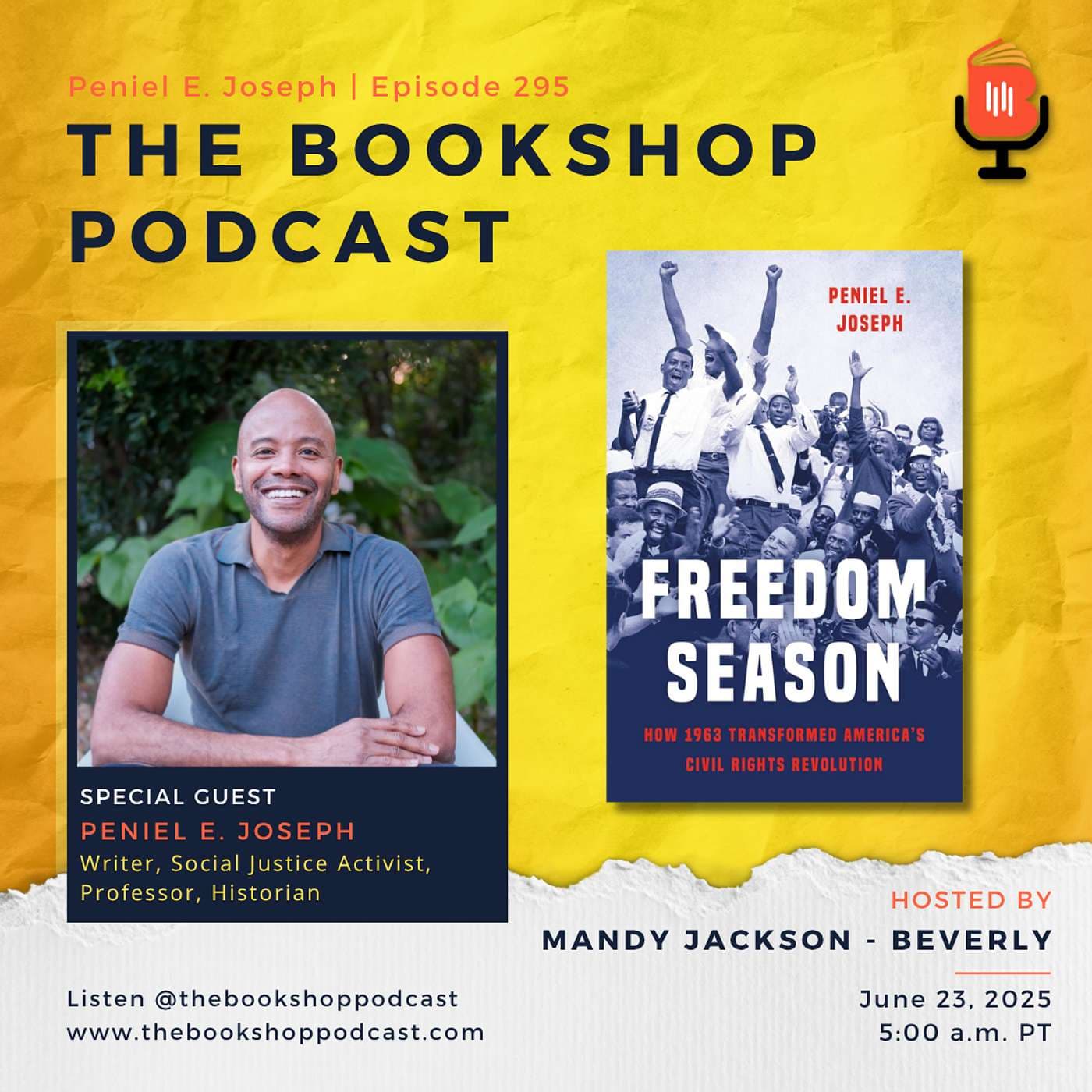
The year 1963 stands as a pivotal moment in American history—a true crucible that transformed the civil rights movement from a regional struggle into a national moral crisis. In his illuminating book Freedom Season: How 1963 Transformed America's Civil Rights Revolution, historian Peniel E. Joseph meticulously reconstructs this watershed year, revealing how the convergence of extraordinary individuals and circumstances permanently altered America's trajectory toward racial justice.
What makes Joseph's approach so compelling is his storytelling methodology, which brings to life the human dimensions of historical figures we often know only through iconic speeches or photographs. Rather than presenting Martin Luther King Jr., Malcolm X, James Baldwin, and the Kennedy brothers as static historical monuments, Joseph reveals their evolutions, vulnerabilities, and tactical maneuverings throughout this momentous year. These weren't just symbols—they were complex strategists navigating treacherous political and social terrain while working through their own evolving perspectives on race and justice.
The Birmingham campaign emerges as a crucial turning point in Joseph's narrative. When Commissioner Bull Connor unleashed police dogs and fire hoses against peaceful protesters, including children, the resulting images shocked the nation's conscience and forced the Kennedy administration to confront civil rights as more than a political inconvenience. Yet Joseph doesn't stop at familiar historical touchpoints. He excavates lesser-known but equally significant moments, such as the Baldwin-Kennedy summit in May 1963—a contentious three-hour meeting where Black intellectuals and artists confronted Attorney General Robert Kennedy with unvarnished truths about America's racial realities, fundamentally challenging Kennedy's understanding of race relations.
Perhaps most poignantly, Joseph examines how the Birmingham church bombing that killed six Black children (Addie Mae Collins, Carol Robertson, Cynthia Wesley, Denise McNair, Johnny Robinson, and Virgil "Peanut" Ware) received fractured national mourning compared to the unified national grief following President Kennedy's assassination months later. This disparity, highlighted by Baldwin at the time, reveals volumes about America's racial hierarchy of citizenship and humanity—observations that remain disconcertingly relevant today.
Joseph's examination of the women in the movement offers another crucial dimension often overlooked in traditional civil rights narratives. Gloria Richardson, Lorraine Hansberry, Diane Nash, Ella Baker, and others emerge not as peripheral figures but as strategic visionaries who confronted both racial oppression and patriarchal limitations within the movement itself. Their struggles presage contemporary intersectional activism and provide vital historical context for understanding today's social justice movements.
What resonates most powerfully throughout "Freedom Season" is the recognition that 1963's struggles—for dignity, for full citizenship, for America to confront its historical truths—remain unresolved sixty years later. As we witness contemporary battles over critical race theory, voting rights, and historical memory, Joseph's work serves as both historical record and urgent reminder: America's reckoning with its racial past remains incomplete. The revolution that began in 1963's freedom summer continues to challenge us today, demanding we recognize that true reconciliation can only emerge through honest confrontation with historical truths.